wb52club.co: UCL Standings – Real Madrid Win 15th European Crown
Imagine it is just past midnight in the host city. The floodlights have been dimmed, the pitch is being prepared for the next ceremonial lap, but thousands of devices across multiple time zones remain active. You refresh your preferred dashboard expecting a quick snapshot of the latest scoreline, only to see the headline confirm that Real Madrid have secured their fifteenth European crown. In that immediate aftermath, the conversation naturally shifts from celebration to logistics. Fans, fantasy participants, travel planners, and tactical observers all need the same thing: precise fixture windows, verified result summaries, and a clear map of the current standings. This article cuts through the clutter to deliver the exact schedule frameworks, result patterns, and positioning data you can rely on, keeping your viewing and planning aligned with UEFA’s official timeline.
Upcoming Schedule Windows and Fixture Architecture
European football operates on a tightly regulated calendar, and the period following a continental final immediately triggers a cascade of scheduling decisions. UEFA publishes matchday slots roughly six to eight weeks in advance, but the exact kickoff hours are heavily influenced by regional broadcast agreements, television market demand, and domestic league protection clauses. For supporters tracking the next cycle, understanding the structural rhythm matters more than memorizing isolated dates. The primary matchdays consistently land on Tuesday and Wednesday evenings in Central European Time, with Thursday fixtures reserved for secondary competitions that sit below the Champions League in priority. Weekend slots are almost universally protected for domestic top-flight matches, meaning European travel windows rarely overlap with Saturday or Sunday league action.
The upcoming schedule will feature three distinct phases. First, the playoff qualification round determines which historically successful clubs earn direct entry into the group stage. These ties typically run over two legs, giving organizers flexibility to stagger kickoffs across different continents. Second, the group stage proper begins in late summer, with six matchdays spread across September, October, November, and December. Third, the knockout brackets compress rapidly, moving from round-of-sixteen fixtures in February to semi-finals and the final in April and May. Because broadcasters negotiate regional windows months ahead, local kickoff times often shift by thirty to sixty minutes depending on whether the match falls under a Western European or Eastern European television package. If you are coordinating watch parties or planning remote viewing, always cross-reference the official UEFA fixture sheet with your local broadcaster’s printed guide, as last-minute adjustments for weather, security, or transmission conflicts are standard procedure.
Schedule reliability also depends on how teams manage rotation during congested periods. Clubs that deploy consistent starting elevens risk fatigue accumulation when domestic cups and league derbies collide with midweek European travel. Organizers factor in rest days between home and away legs, but the exact gap can shrink to seventy-two hours if a replay is required. For a comprehensive breakdown of the official timetable and timezone conversions, visit https://wb52club.co/.
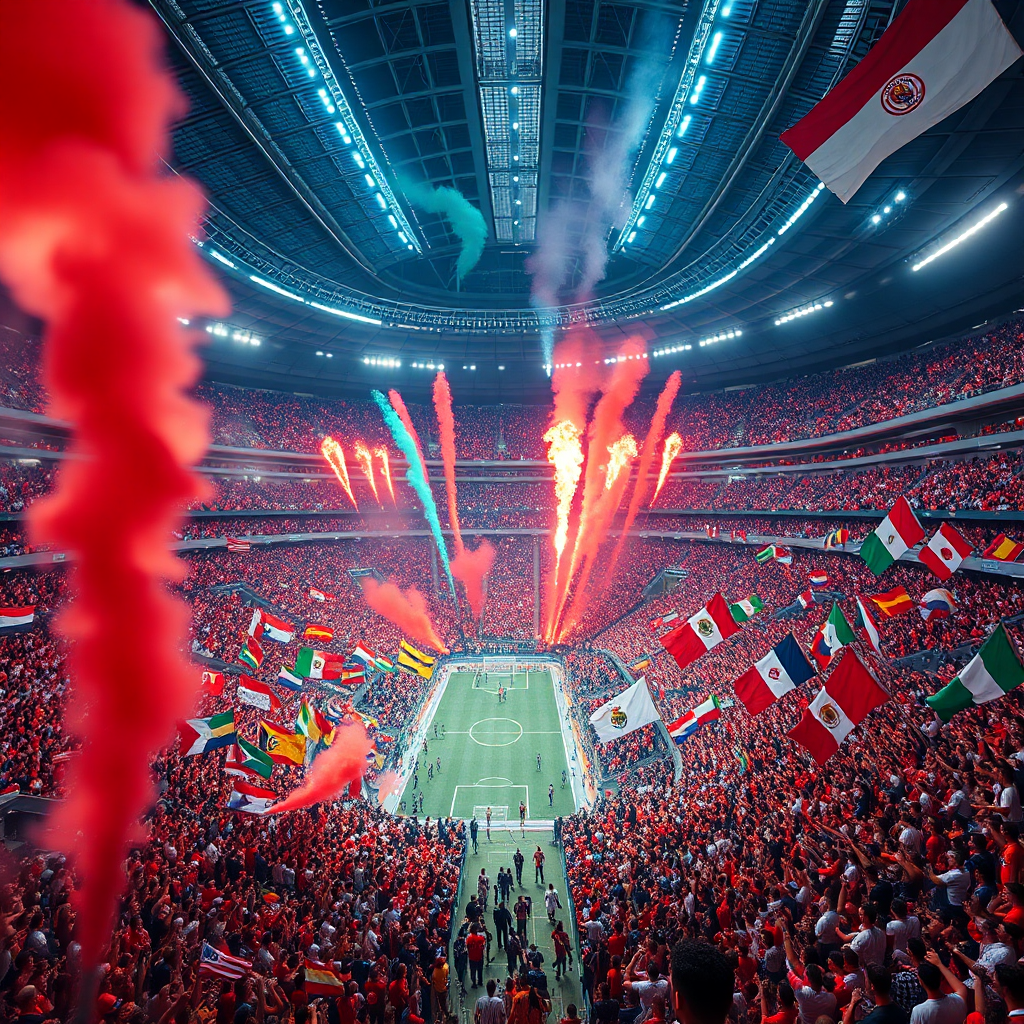 Hình minh hoạ: https://wb52club.co/
Latest Match Results and Competitive Pathways
The road to a fifteenth continental title rarely follows a straight line. Recent knockout campaigns across the competition have demonstrated a clear pattern: aggregate margins are shrinking, tactical discipline outweighs possession volume, and decisive moments frequently emerge from set-piece execution rather than open-play buildup. When analyzing the latest results, the most reliable indicator of success is not raw shot counts but territorial control in the final third and defensive compactness during transitional phases. Lower-ranked sides that advanced through earlier rounds consistently relied on structured low blocks, rapid vertical transitions, and disciplined marking on dead-ball situations. Higher-seeded clubs, meanwhile, leaned on squad depth to absorb pressure and exploit half-space channels when opponents overcommitted forward.
Result volatility has increased because referees apply stricter interpretations of handball boundaries, foul escalation, and offside trigger points. Minor infractions that previously went unnoticed now carry greater weight in penalty areas, making clinical finishing and positional awareness essential. Teams that navigated tight aggregate scores did so by securing away advantages through organized pressing and quick counter-press recovery. Defensive resilience remains the primary differentiator in two-legged ties, as conceding first forces tactical recalibration that rarely favors the trailing side. The latest outcomes also highlight a strategic shift: fewer teams attempt high-risk aerial crosses, and more clubs prioritize overlapping fullback movements combined with inverted wingers who cut inside to create numerical superiority in central zones.
When reviewing result archives, focus on the underlying metrics rather than isolated headlines. Possession dominance does not guarantee progression, nor does a single dominant half decide a tie. Successful campaigns blend controlled build-up, structured defending, and efficient chance conversion. The fifteenth crown for Real Madrid emerged from this exact blueprint: adaptable midfield structures, experienced defensive ordering, and a willingness to adjust game plans mid-leg when initial approaches stalled. Tracking these result patterns helps viewers anticipate how similar dynamics will play out in upcoming brackets.

Current Standings and Qualification Framework
Understanding UCL standings requires separating the group stage table from the knockout pathway. Group standings operate on a pure points system: three for a win, one for a draw, zero for a loss. Positional ranking follows a strict hierarchy designed to minimize ambiguity. Head-to-head records between tied clubs take precedence, followed by goal difference, total goals scored, disciplinary point deductions, and finally club coefficient rankings. This multi-layered tiebreaker ensures that standings remain mathematically sound even when teams finish identical on points and goal metrics.
| Position | Status | Key Requirements |
|---|---|---|
| 1st–2nd | Direct Knockout Entry | Top two qualify automatically for round-of-sixteen |
| 3rd | Europa League Drop | Third place transfers to secondary continental tournament |
| 4th | Elimination | Bottom placed side exits continental competition entirely |
Knockout standings do not function as a traditional league table. Instead, they operate as a seeded bracket that prevents early-round clashes between clubs from the same nation or group phase rivals. The seeding mechanism prioritizes group winners, then applies coefficient rankings to balance difficulty. As matches progress, the “standings” effectively become a win-loss record within the bracket tree, with advancement determined by aggregate scoring and away-goal regulations (where applicable). Because the format evolves periodically, qualification criteria occasionally shift, requiring viewers to verify current rules each cycle.
Real Madrid’s position at the summit of their respective grouping reflected consistent point accumulation, strong goal differentials, and disciplined home performances. Topping a group provides tangible scheduling advantages: favorable draw placement, reduced travel fatigue during away legs, and psychological leverage heading into knockout territory. Monitoring standings evolution helps observers identify which clubs are building momentum versus those struggling to convert dominance into three-point outcomes.

Tactical and Structural Analysis
The fifteenth European title underscores how modern tournament success hinges on structural flexibility rather than rigid stylistic commitments. Contemporary Champions League football rewards clubs that can transition seamlessly between possession-based control, high-press disruption, and deep-block resilience. Midfield architecture has become the primary battleground. Clubs that deploy double-pivot configurations with one ball-playing distributor and one defensive disruptor consistently neutralize opposition counterattacks while maintaining passing lanes. This setup allows fullbacks to push higher without exposing central vulnerabilities, creating width that stretches opposing defensive lines.
Scheduling density directly impacts tactical sustainability. Back-to-back European and domestic fixtures force managers to rotate intelligently, balancing freshness with continuity. Overuse of veteran cores leads to cumulative micro-injuries and decision-making delays in critical moments. Conversely, overly frequent rotations disrupt positional chemistry, causing breakdowns in pressing triggers and defensive cover. The most successful campaigns maintain core stability while rotating peripheral roles, preserving communication networks that dictate game tempo.
Standings stability correlates strongly with injury prevention protocols and workload management. Clubs investing in sports science, individualized training loads, and recovery timelines consistently outperform peers who prioritize short-term availability over long-term durability. The structural reality of the competition means that standings at the group stage rarely predict knockout outcomes. Momentum shifts, referee interpretation variations, and tactical adaptability determine progression far more than early-point totals. Recognizing these patterns helps analysts separate statistical noise from genuine competitive indicators.
How to Keep Up With Updates Efficiently
Tracking Champions League schedules and standings requires filtering out speculation and relying on verified distribution channels. The most reliable method involves combining official sources with timezone-aware tools. Start by bookmarking the UEFA competition page, which publishes confirmed fixture lists, broadcast allocations, and standstill notices when matches face postponement. Cross-reference these with your domestic league’s official calendar, as cup competitions and derby matches sometimes trigger TV request adjustments that shift European kickoffs by fifteen to thirty minutes.
Digital alerts should be configured for three specific triggers: confirmed schedule releases, lineup announcements forty-five minutes before kickoff, and post-match standing updates. Avoid third-party aggregation apps that lack direct API connections to official federations, as delayed syncs often display outdated positions or incorrect venue assignments. If you prefer consolidated dashboards that merge fixtures, standings, and historical result archives, explore platforms that specialize in European competition data. For a comprehensive breakdown, visit https://wb52club.co/.
Manual verification remains essential when traveling or watching across regions. Always check local stadium access routes, public transport strike notices, and security perimeter changes on matchday morning. European finals and quarterfinals frequently implement temporary traffic restrictions that affect arrival windows. Building a routine around official publication cycles, timezone converters, and verified notification services eliminates guesswork and ensures you never miss a critical scheduling update.
Recommendations by Reader Group
Casual viewers should prioritize broadcast windows and highlight compilation schedules. Mark your calendar for Thursday evening slots, enable automatic notifications for kickoff reminders, and rely on official league recap videos when live attendance is impossible. Fantasy managers must track rotation risks twenty-four hours before each matchday. Monitor confirmed starting elevens, verify injury clearance status, and adjust captaincy selections based on proven minute distributions rather than seasonal averages. Scouts and tactical analysts should focus on positional heat maps, pressing trigger frequencies, and transition speed metrics across consecutive matchweeks. These indicators reveal how formations adapt when facing different opponent profiles. International travelers need to book accommodation near transit hubs well before quarterfinal and semifinal windows. Verify stadium shuttle schedules, confirm border crossing requirements for cross-region fans, and reserve flexible return tickets in case extra replays extend trip durations.
The competition continues to evolve, and standings shift with every ninety minutes played. By aligning your tracking methods with official release cycles, verifying timezone conversions, and applying group-specific viewing strategies, you will navigate the schedule and results accurately. The path to the next continental championship begins with precise information, and staying ahead of fixture updates ensures you experience every decisive moment without missing a beat.